
 Schedule of Classes
 Maps
Maps Canvas
 Directory
 Library
 LancerPoint
 Calendars
 Bookstore
 Student Email
 News & Events
 Police & Safety
 PCC Connect
 Parking
 COVID-19 Info
Chinese
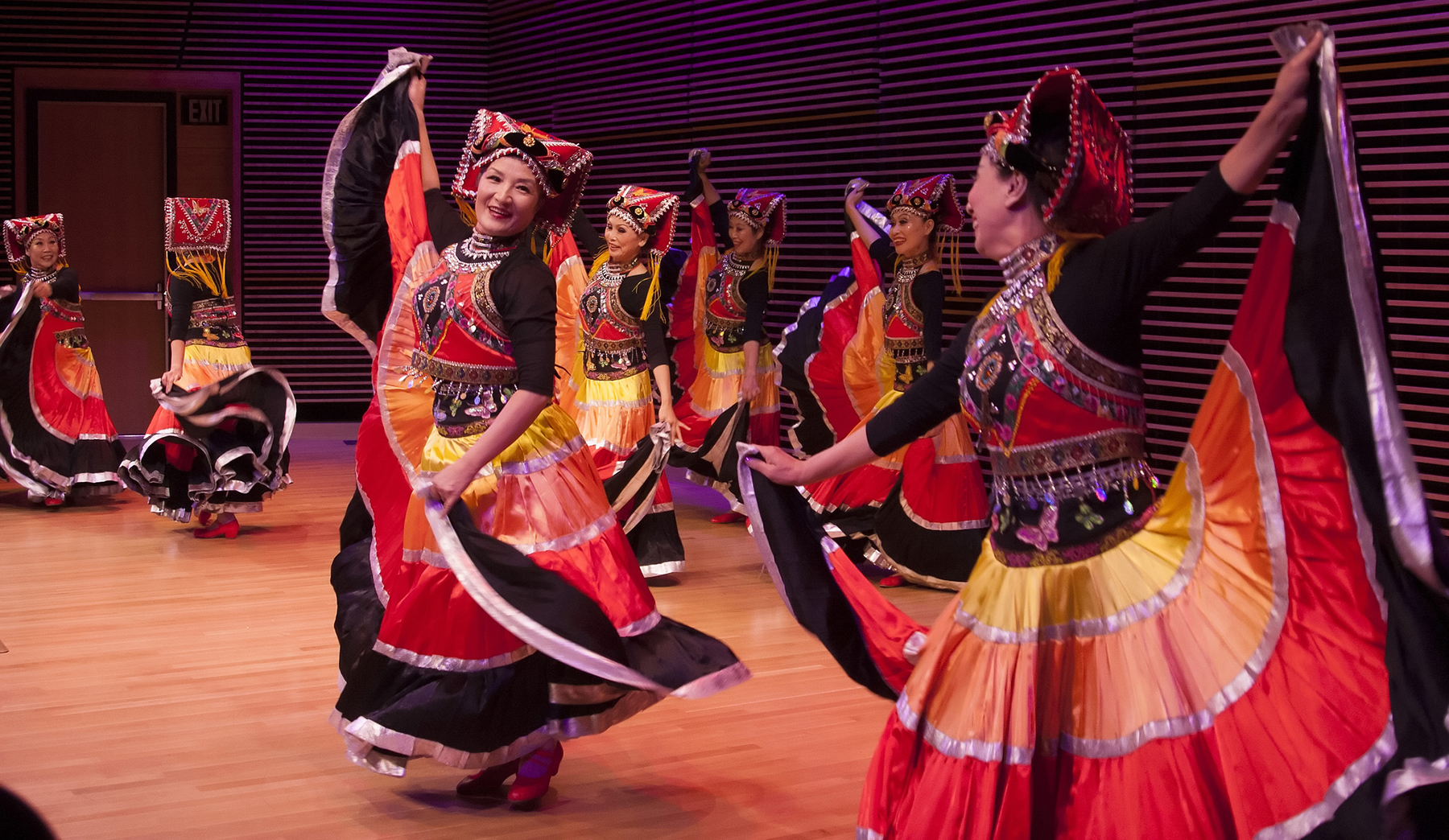
Pasadena City College’s Chinese Program offers you the opportunity to learn the Chinese culture, traditions, literature while mastering the Chinese language. The program helps you develop communicative skills in the Chinese language and a cosmopolitan knowledge of Chinese culture and literature. Take beginner's courses to fulfill your language requirements or the opportunity to earn a major in Chinese while doing so!
Program Options
CHNSE 1 - Elementary Chinese (Mandarin)
5.0 Units
Pronunciation and grammar, reading and writing Chinese characters, vocabulary building.
Introduction to geography, customs and culture of China. Corresponds to first year
of high school Chinese. Total of 90 hours lecture.
Transfer Credit: CSU, UC
CHNSE 2 - Elementary Chinese (Mandarin)
5.0 Units
Grammar, oral and written composition, customs and culture. No credit if taken after
Chin 2A. Total of 90 hours lecture.
Transfer Credit: CSU; UC credit limitations. See counselor.
CHNSE 2A -Elementary Chinese (Mandarin) For Advanced Beginners
5.0 Units
Intensive training in oral and written Chinese. Designed for students who already
have some degree of fluency in spoken Chinese, but have had little or no formal training
in reading and writing of Chinese characters. Improvement of oral expression. Introduction
to Chinese grammar essentials, readings of simple contemporary Chinese stories; oral
and written composition. No credit if taken after Chin 1 or 2. Total of 90 hours lecture.
Transfer Credit: CSU; UC credit limitations. See counselor.
CHNSE 3- Intermediate Chinese (Mandarin)
5.0 Units
Grammar, oral and written composition; reading of intermediate texts, including those
on Chinese history, geography and culture. Total of 90 hours lecture.
Transfer Credit: CSU; UC
CHNSE 4 - Intermediate Chinese (Mandarin)
5.0 Units
Continuation of grammar, oral and written composition; reading of texts of moderate
difficulty, including modern Chinese literature. Total of 90 hours lecture.
Transfer Credit: CSU; UC
CHNSE 5 - Advanced Chinese Reading and Composition
Prerequisite CHNSE 004 or placement based on the foreign language assessment process.
3.0 Units
Continuation of grammar, oral and written composition; reading of texts of moderate
difficulty, including modern Chinese literature. Total of 90 hours lecture.
Transfer Credit: CSU; UC
CHNSE 8A - Introduction to Chinese Conversation (Mandarin)
2.0 Units
Practice in oral self-expression and understanding spoken Chinese. No credit if taken
after Chin 3 or Chin 9A-B. Total of 36 hours lecture.
Transfer Credit: CSU
CHNSE 8B- Introduction to Chinese Conversation (Mandarin)
2.0 Units
Practice in oral self-expression and understanding spoken Chinese. No credit if taken
after Chin 3 or Chin 9A-B. Total of 36 hours lecture.
Transfer Credit: CSU
CHNSE 9A - Chinese Conversation (Mandarin)
2.0 Units
Intensive practice in oral expression and comprehension of spoken Chinese. Total of
36 hours lecture.
Transfer Credit: CSU
CHNSE 9B - Chinese Conversation (Mandarin)
2.0 Units
Intensive practice in oral expression and comprehension of spoken Chinese. Total of
36 hours lecture.
Transfer Credit: CSU
CHNSE 9C - Chinese Conversation (Mandarin)
2.0
Intensive practice in oral expression and comprehension of spoken Chinese. Total of
36 hours lecture.
Transfer Credit: CSU
CHNSE 10 - Chinese Civilization
3.0 Units
The study of Chinese literature, arts, philosophy, geography, religion and the social
and political environment; Chinese contributions to civilization from the classical
period to modern times. (Course conducted in English.) Total of 54 hours lecture.
Transfer Credit: CSU; UC
CHNSE 12 - Chinese Literature in Translation
3.0 Units
Reading and discussion of major works of Chinese literature in translation from different
historical periods. Selected readings will be made from different genres: poetry,
drama, essays and the novel. (Course conducted in English.) Total of 54 hours lecture.
Transfer Credit: CSU; UC
CHNSE 22 - Chinese Calligraphy
2.0 Units
History, development, aesthetics, and appreciation of Chinese calligraphy. An examination
of Chinese character formation, evolution and etymology as well as a survey of varieties
of Chinese scripts and hands-on practice of Chinese calligraphy.(Course conducted
in English.) Total of 36 hours lecture.
Transfer Credit: CSU; UC
CHNSE 050 - Chinese Cinema
Prerequisite: Eligibility for English C1000 (formerly ENGL 1A)
3.0 Units
History, development, aesthetics, and appreciation of Chinese calligraphy. An examination
of Chinese character formation, evolution and etymology as well as a survey of varieties
of Chinese scripts and hands-on practice of Chinese calligraphy.(Course conducted
in English.) Total of 36 hours lecture.
Transfer Credit: CSU; UC Under Review
CHNSE 150A - Chinese For Business and Travel
2.0 Units
Practical conversational Chinese for business and travel. Contemporary culture in
Chinese-speaking areas. Total of 36 hours lecture.
CHNSE 150B - Chinese For Business and Travel
2.0 Units
Further instruction in conversational Chinese for business and travel. Contemporary
culture in Chinese-speaking areas. Total of 36 hours lecture.
Chinese | Associate in Arts (AA) Degree
Earn a degree AND prepare to transfer. By completing the Chinese major program at PCC you will earn an AA degree in Chinese as well as complete many of your lower division major requirements to earn a Bachelor of Arts degree in Chinese prior to transferring to a four-year university.
Foreign Language Proficiency in Chinese | Occupational Skills Certificate
Demonstrate your proficiency in the Chinese Language with an Occupational Skills Certificate! Certificates are available in Basic Proficiency in Chinese (12-13 unit certificate), Intermediate Proficiency in Chinese (12-13 unit certificate), ad Advanced Proficiency in Chinese (10-11 unit certificate).